
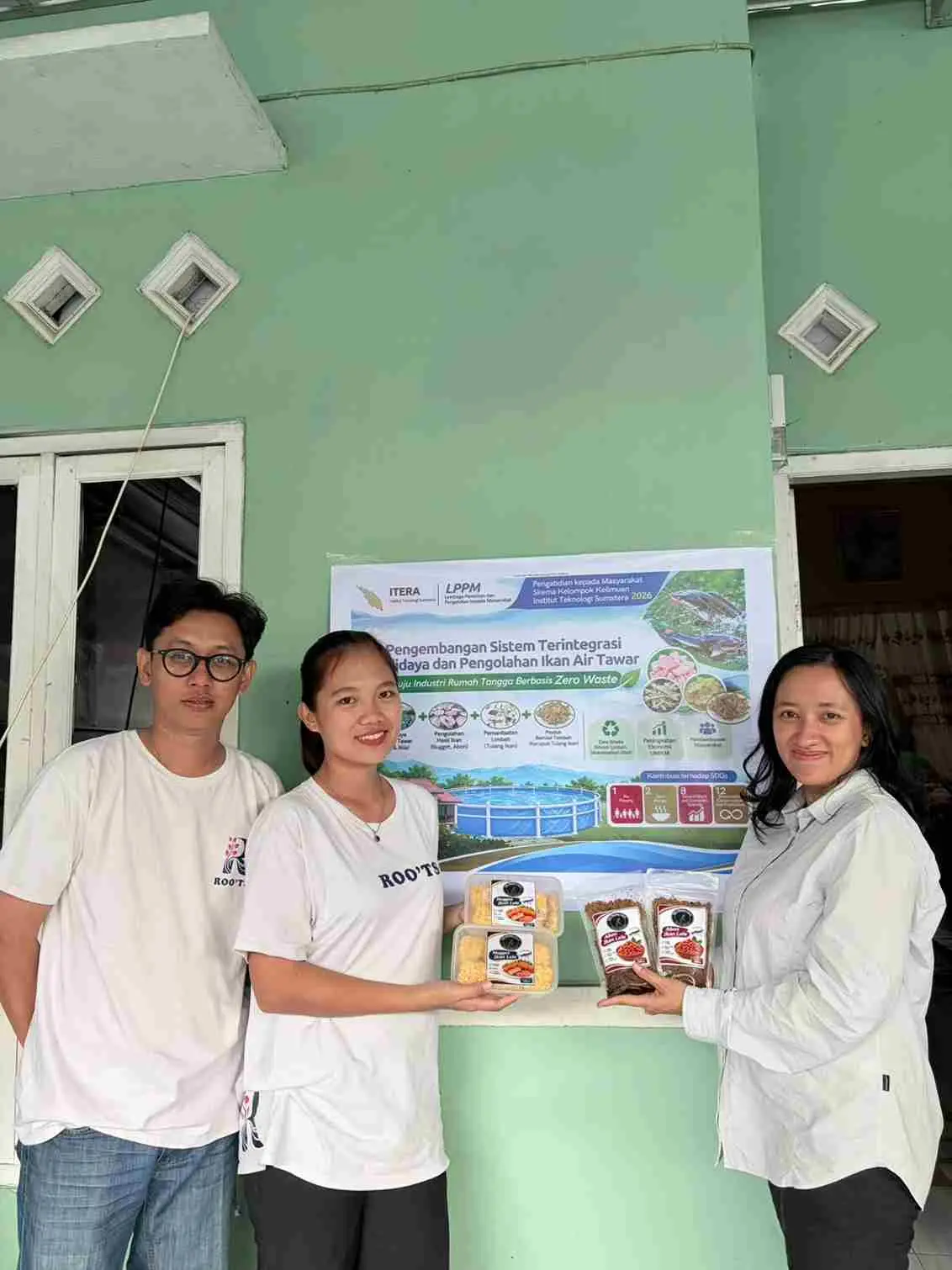
 Metro and Lampung Tengah, 14 November 2026 – The team of Lecturers of the Study Program of Food Technology, Faculty of Industrial Technology (FTI), Institut Teknologi Sumatera (Itera) conducted a Community Service activity titled “Development of Integrated Freshwater Fish Farming and Processing System towards Zero Waste-based Home Industry” on Saturday, 14 November 2026. This activity is part of the Internal Itera Community Service Grant Program in 2026 through the Science Group scheme.
This community service activity was led by Amalia Wahyuningtyas, S.Si., M.Sc., with team members Afrida Nurwulan, M.Si., and Okti Ruenda, S.T.P., M.T.P. The team of Lecturers of the Study Program of Food Technology, Faculty of Industrial Technology (FTI), Itera collaborated with UMKM Roots Fish, located in the Metro and Lampung Tengah areas, which is engaged in freshwater fish farming, especially catfish and tilapia.
This community service activity was conducted in collaboration with UMKM Roots Fish, located in the Metro and Lampung Tengah areas. The UMKM is engaged in freshwater fish farming, especially catfish and tilapia, which have high economic potential and nutritional value as a source of animal protein.
 The implementation of this program was motivated by the fact that there are still several challenges faced by small-scale fish farming entrepreneurs. Fish farming activities are still carried out with simple technology and have not been optimally integrated with fish processing. In addition, product diversification is still limited, waste utilization is not maximal, and business management and marketing aspects still require strengthening.
Through this program, the Itera Food Technology Lecturer Community Service team encourages the development of a business system that integrates fish farming, processing, and utilization of by-products by applying the zero waste principle. One of the approaches developed is the application of more efficient fish farming technology, such as the biofloc system, to support increased productivity and efficiency of fish maintenance.
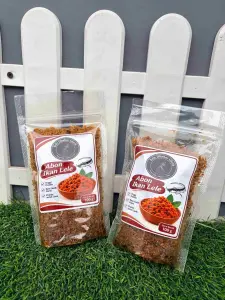
In the processing aspect, the program is directed towards the development of high-value fish-based food products, including fish floss and fish nuggets. Not only utilizing the main part of the fish, this activity also encourages the processing of by-products such as fish bones into innovative products like fish bone crackers that have the potential to become a source of calcium.
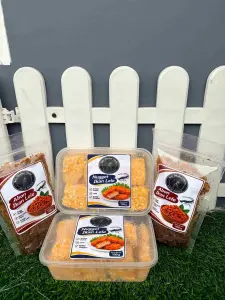 This approach is expected to reduce production waste while creating opportunities for product diversification that have economic value. Thus, the results of fish farming are not only marketed in the form of fresh fish, but can also be processed into various food products that have a longer shelf life and higher selling value.
In addition to the aspect of production technology, this community service activity also pays attention to strengthening business management and marketing. This strengthening is an important part in preparing UMKM Roots Fish to develop its business activities in a more structured, competitive, and sustainable manner.
Through the synergy between the application of fish farming technology, food processing innovation, by-product utilization, and business management strengthening, this program is expected to become a model for the development of a productive and environmentally aware fish-based home industry.
This Community Service Program is also a form of Itera’s contribution to implementing university knowledge to meet community needs, especially in the development of local fish commodities, strengthening UMKM, and applying sustainable food production systems.


