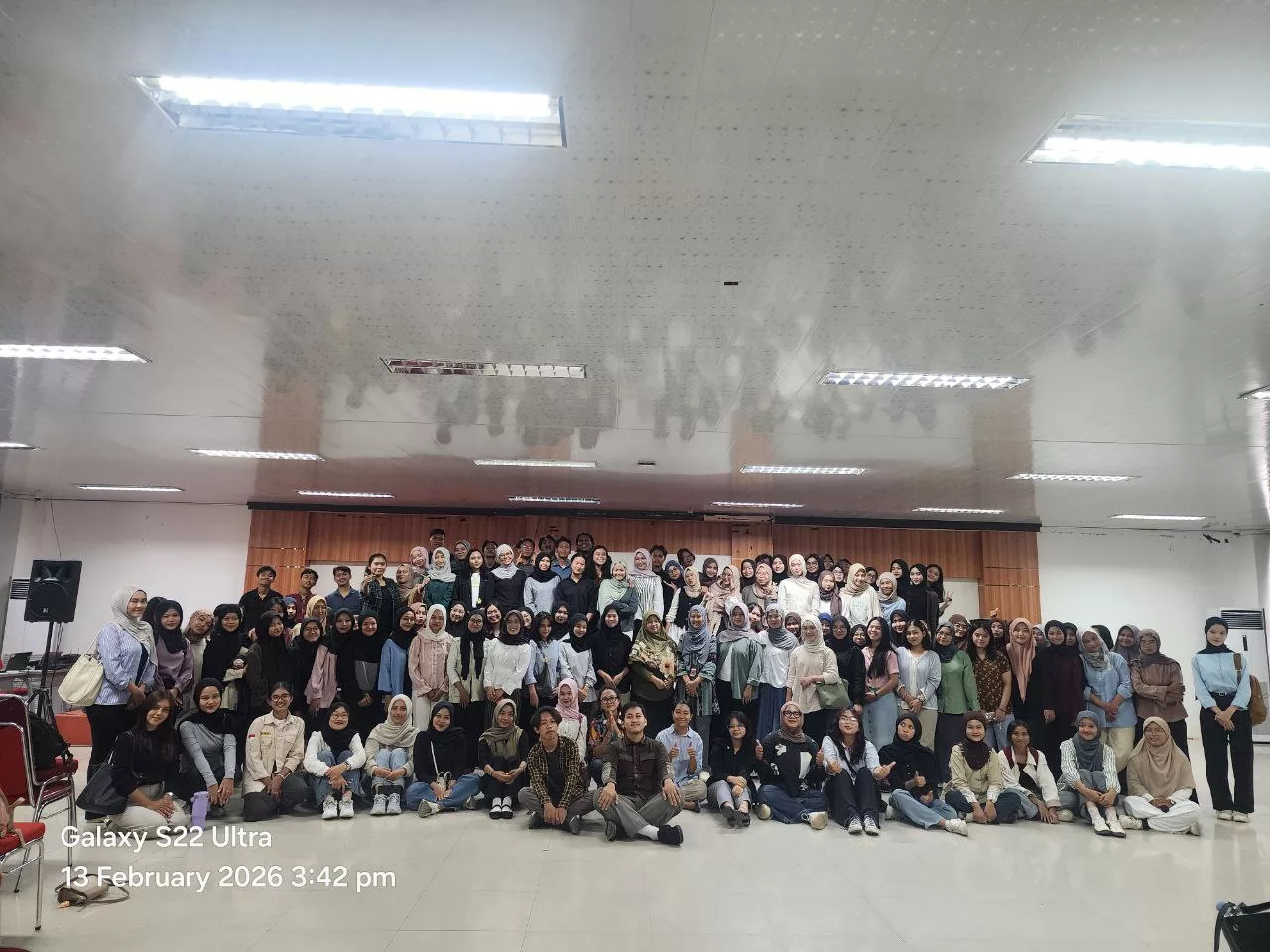
Lampung Selatan — The Study Program Food Technology, Institut Teknologi Sumatera (ITERA), conducted the Socialization of the Curriculum, MLPS, and KP activity on Friday (12/2) at 13.30 WIB at Aula Gedung E ITERA.
This activity aims to provide a comprehensive understanding to students regarding the implementation of the latest curriculum, MLPS mechanism (Elective Courses and Learning Scheme), and the management of KP (Work Practice) as an important part of the learning process based on the Graduate Learning Outcome (CPL).
The event presented two speakers from the Study Program Food Technology, namely Ibu Dina Fithriyani and Ibu Hanifa Bagus. The speakers systematically explained the curriculum structure, course selection flow, academic requirements, MLPS administration procedures, to the technical implementation and reporting of Work Practice.
In the presentation session, it was explained that the curriculum was designed to support graduate competencies in the field of food science and technology, with an emphasis on strengthening hard skills, soft skills, and students’ readiness to face the industry and research. Meanwhile, MLPS provides learning flexibility that allows students to develop competencies according to their interests and career plans.
In the Work Practice session, students were given an explanation regarding academic requirements, selection of industry/institution location, supervision, proposal preparation, to final report preparation. KP becomes one of the important stages in preparing students with real work experience in the professional world and increasing professional readiness.
The socialization activity was interactive with an active question and answer session from students, especially regarding study planning strategies and preparation for Work Practice. Through this activity, it is hoped that students can design academic planning more structured, timely, and aligned with the graduate profile of the Study Program Food Technology ITERA.
The Study Program Food Technology ITERA is committed to continuously improving the quality of academic governance through transparent and participatory communication, in order to support the success of students’ studies and achievement of the quality standard of higher education.